
Yogkulam
How to Teach Yoga: A Complete Guide for Aspiring Instructors
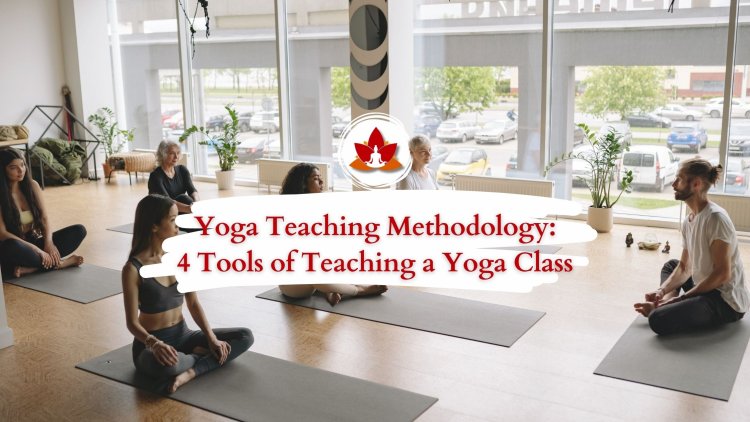
Teaching yoga is a sacred art that blends knowledge, intuition, and compassion. It’s not just about leading students through postures; it’s about guiding them on a journey of self-discovery and inner peace. Whether you are newly certified or dreaming of becoming a yoga teacher, understanding how to teach yoga effectively can transform your classes and empower your students. Below, we explore in detail how to teach yoga with confidence, authenticity, and purpose.
1. Understanding the True Essence of Yoga
1.1 Beyond Physical Postures
Before diving into how to teach yoga, it’s essential to remember that yoga is more than physical exercise. Yoga is a holistic discipline that unites body, mind, and spirit. Teaching yoga means helping students connect with their breath, awareness, and inner stillness. It involves guiding them toward balance—both on and off the mat.
1.2 The Philosophy Behind Yoga Teaching
A great yoga teacher doesn’t just demonstrate asanas but also embodies yogic principles such as ahimsa (non-violence), satya (truth), and svadhyaya (self-study). Understanding these philosophies gives your teaching depth. If you truly wish to know how to teach yoga meaningfully, start by living yoga in your daily life.
2. Preparing Yourself as a Yoga Teacher
2.1 Deepen Your Personal Practice
Your own practice is your foundation. To know how to teach yoga effectively, spend time refining your understanding of asanas, pranayama (breathing techniques), and meditation. A strong personal practice helps you teach from experience rather than theory.
2.2 Obtain the Right Training
Enroll in a certified yoga teacher training course, such as a 200-hour or 500-hour YTTC (Yoga Teacher Training Course). These programs not only teach you yoga techniques but also help you learn anatomy, teaching methodology, and philosophy—key elements in mastering how to teach yoga safely and intelligently.
2.3 Develop Your Unique Teaching Style
Every teacher has a unique voice. Some prefer a spiritual approach, while others emphasize alignment or flow. Discovering your authentic style is a big part of understanding how to teach yoga in a way that resonates with your students.
3. Structuring a Yoga Class
3.1 Creating a Class Plan
When learning how to teach yoga, planning your classes thoughtfully is crucial. Begin with a grounding or centering moment, move into a gentle warm-up, then a sequence of standing and seated postures, and finally, close with relaxation or meditation. The structure should guide students toward both energy and calmness.
3.2 The Importance of Sequencing
Proper sequencing ensures safety and flow. Always warm up the body before deep stretches and counter each intense pose with a gentle one. Understanding sequencing principles is a key skill when learning how to teach yoga effectively.
3.3 Incorporating Breath and Awareness
Yoga is not complete without the breath. Teach your students to move in sync with their breath and observe their internal experience. Learning how to teach yoga through breath-centered awareness helps students achieve mindfulness and deeper concentration.
4. Effective Communication in Yoga Teaching
4.1 The Art of Verbal Cueing
Verbal cues are your most powerful tool as a teacher. Clear and compassionate instructions help students understand how to align their bodies safely. To master how to teach yoga through cues, practice giving directions that are short, descriptive, and easy to follow.
4.2 Demonstration vs. Observation
Knowing when to demonstrate and when to observe is vital. Demonstrating helps visual learners, while observation allows you to correct alignment and assist students. Striking this balance is an important aspect of learning how to teach yoga like a professional.
4.3 Using Positive Energy and Encouragement
Your tone, presence, and words shape the entire class atmosphere. Inspire your students rather than correct them harshly. Understanding how to teach yoga with empathy and encouragement creates a safe space where students can grow and evolve.
5. Managing the Classroom Environment
5.1 Creating a Welcoming Space
A calm, clean, and positive environment enhances students’ experience. Lighting, music, and scent can influence the mood. When exploring how to teach yoga, pay attention to these subtle elements that make a class inviting and serene.
5.2 Adapting to Different Levels
Every class includes students with varying levels of experience. A vital part of how to teach yoga is learning to offer modifications for beginners while challenging advanced students safely. Inclusivity makes your classes accessible and rewarding for everyone.
5.3 Safety and Adjustments
Physical safety is paramount. Learn how to provide hands-on adjustments respectfully and always ask for consent. When you truly understand how to teach yoga, your awareness of students’ limits becomes a cornerstone of your teaching.
6. Integrating Yoga Philosophy and Lifestyle
6.1 Bringing Mindfulness Into Teaching
Teaching yoga is not just about asanas—it’s about teaching awareness. When you integrate mindfulness, your students learn to connect deeply with themselves. How to teach yoga mindfully means focusing on presence, not perfection.
6.2 Encouraging Yogic Living Beyond the Mat
A good yoga teacher encourages students to take yoga off the mat—into their daily interactions, thoughts, and habits. Sharing insights about the yamas and niyamas helps students live a more conscious and peaceful life.
7. Building Confidence as a Yoga Teacher
7.1 Overcoming Stage Fright
It’s natural to feel nervous at first. Confidence grows with experience and preparation. When learning how to teach yoga, remember that authenticity is more powerful than perfection. Be present, speak from the heart, and trust your knowledge.
7.2 Continuous Learning and Growth
Yoga is a lifelong journey. Continue attending workshops, retreats, and advanced courses. Staying curious and humble ensures that you keep evolving as a teacher and deepen your understanding of how to teach yoga with grace and wisdom.
8. The Spiritual Side of Teaching Yoga
8.1 Becoming a Guide, Not Just a Teacher
Teaching yoga means guiding others toward self-realization. You’re not imposing knowledge but helping students uncover their inner light. Learning how to teach yoga with spiritual awareness makes your classes transformative, not just physical.
8.2 Teaching With Intention and Heart
Set an intention before each class. It could be love, gratitude, or peace. This energy flows through your teaching. When you teach from the heart, your students feel it deeply—and that’s the true essence of how to teach yoga.
Conclusion: The Journey of a Yoga Teacher
Mastering how to teach yoga is not about achieving perfection but about walking the path of awareness, compassion, and authenticity. Every class you teach becomes a reflection of your inner growth. As you continue this sacred journey, remember that teaching yoga is as much about learning as it is about sharing. Your presence, intention, and sincerity can touch lives and inspire others to embrace the transformative power of yoga.
by Yogkulam on 2025-11-08 11:54:40
No comments yet.