
Alex Owen
The role of exercise and sport in anxiety disorders
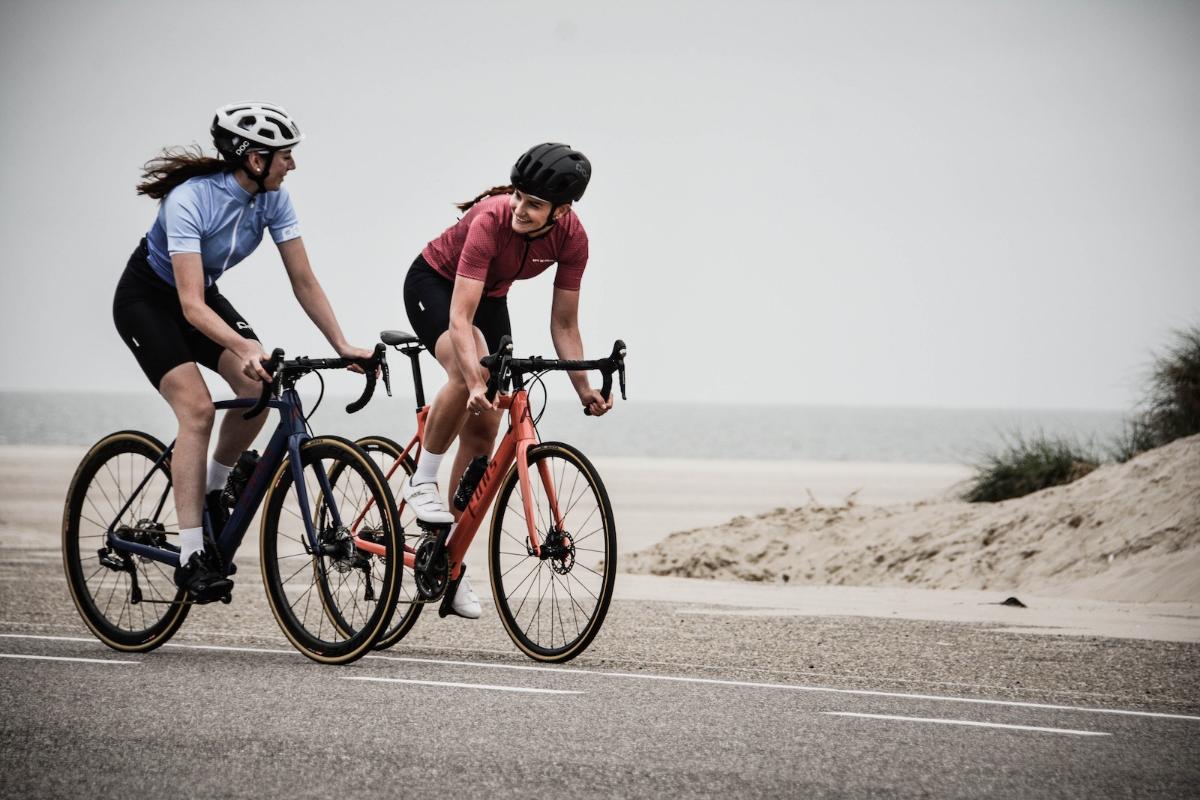
Running, yoga, Cycling, or strength training against panic attacks, general anxiety, or social phobia. Is this a myth or can exercise really help against anxiety disorders?
The positive effect of physical activity on well-being, stress, and depression has been thoroughly researched and is considered to be proven. But sport and exercise also play a major role in the treatment of anxiety disorders. In recent years, scientific research in this area has made a big leap and the results of the studies clearly show that sport helps the vast majority of people cope with anxiety. Here we will show you why this is the case and how you can use sport to deal with anxiety.
Sport works - results from research
Sport and exercise are an important part of a healthy life. People who exercise more often are sick less often and live longer. Sport has a positive effect on the immune system and makes you happier and more content. But it's not just physical fitness and health that benefits, sport also has a positive effect on mental health. In addition, it is easy to implement for most people, inexpensive and has almost no side effects.
We offer you support
Are you feeling stressed at the moment and would like to talk to someone about it? With us, you will find a naturopath for psychotherapy who is right for you and you can easily start your therapy within a few days.
Scientific research has proven that more physically active people have a lower risk of developing an anxiety disorder and are less likely to develop severe symptoms of an anxiety disorder. Conversely, physical inactivity is a risk factor for the development of anxiety disorders. Sport can not only relieve existing symptoms. It also protects us from developing an anxiety disorder in the first place. Since sport is now considered a safe measure for anxiety disorders, it has even been included in the S3 guidelines for the treatment of anxiety disorders. Sport is particularly recommended for panic disorder and agoraphobia as a supplementary measure to standard therapies.
Most studies are available for endurance training (e.g. running). Symptoms of agoraphobia, panic disorder, social phobia, and generalized anxiety disorder can be effectively reduced. But don't worry if you prefer doing yoga or strength training instead of jogging. Here, too, it has been shown that yoga or strength training seems to have a positive effect and reduce anxiety. No matter what sport it is: exercise helps healthy people as well as people with anxiety disorders and people with other chronic and physical illnesses to reduce anxiety symptoms.
Why does exercise work for anxiety disorders?
Sport has an impact on muscular, biological, and hormonal processes in the body. The various processes are extremely complex and depend on various factors. Sport has an anti-inflammatory, and antioxidant effect and promotes the regulation of various messenger substances: serotonin, dopamine, adrenaline, norepinephrine, and cortisol play a major role here. In addition, exercise leads to a release of the body's own cannabinoids, which can trigger feelings of happiness or even a rush (“runner's high”). The sport also has a positive effect on sleep, which is an important part of our health. Sleep disorders can be a symptom of mental illness, but at the same time, they can also promote the development of mental illness.

But in addition to these physical effects, the effect of sport can also be explained psychologically. On the one hand, sport is a distraction, for example from worries, thoughts, and fears. Through sport, you also learn to overcome inner resistance and fatigue and gain new strength. This not only increases your mood but also your self-esteem. Very important in the context of mental health is what psychology calls “self-efficacy.” Self-efficacy increases when you realize that you can achieve something through your own skills. This also strengthens a feeling of independence and control. Control over the length, type, and duration of the exercises but also over physical functions and effects of sport.
Caution: In some anxiety disorders, the physical symptoms of activity (sweating, faster heartbeat, and breathing) are misinterpreted as symptoms of anxiety. This can lead to certain activities being or being avoided. Sports can also cause an “initial aggravation”. Therefore, be aware that these are normal symptoms of physical activity and do not indicate a subsequent panic attack! This realization (same symptoms, but no panic attack) can lead to a greater sense of control in the long term because you no longer perceive the symptoms as threatening.
So exercise instead of therapy for anxiety disorders?
Clearly: no! Sport alone is not enough to treat an existing anxiety disorder and cannot replace medication and/or psychotherapeutic treatment. However, exercise is very suitable as a supplement to therapy and may even reduce the need for medication or replace its use entirely. Sport as an additional therapy element is extremely effective and should definitely be considered.
Which sport helps you with an anxiety disorder?
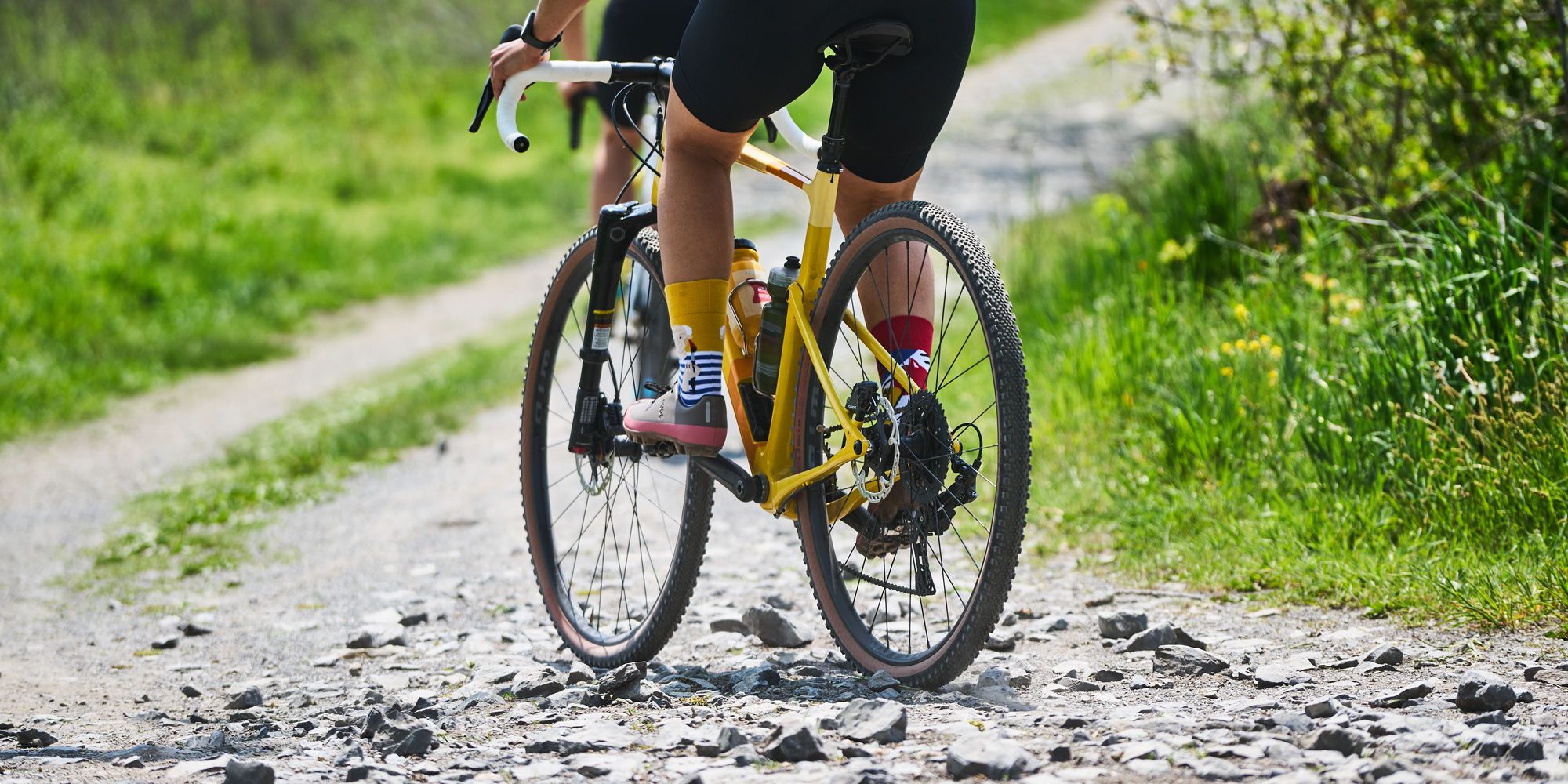
The most important thing is that you find a sport that is fun for you! If you feel like you're torturing yourself and can't wait to finish, the effects will certainly be less. According to scientific research, regular endurance training with a light to moderate intensity (e.g. jogging, cycling, swimming) appears to be helpful. But strength training or yoga can also reduce anxiety symptoms and even individual sessions can help reduce anxiety. See Road racing bikes for sale online
Maybe team sports or group sports are something for you. This can strengthen the sense of community and cohesion. This generally has a positive effect on health, but can especially help people with social phobia. Working toward a “common goal” with other people may make the situation seem a little less threatening.
Your fear may be preventing you from even starting. Maybe you're afraid of having a panic attack, you don't feel comfortable in enclosed spaces, you're afraid of making a fool of yourself, or you don't know where to start. You are not alone in this. What can be particularly helpful here is to let a friend know about your fear and plan together. This provides security and can be fun.
To integrate sport into everyday life, you may be able to use the SMART formula to help. It is a strategy for correctly defining goals and setting them realistically in order to ultimately achieve them. It's very important that you don't start with too high expectations and don't put yourself under pressure. Just try out what you enjoy and what feels good for you.
by Alex Owen on 2023-10-05 05:25:45
No comments yet.