
Stephanie Scott
Archives2021
January 2021
February 2021
March 2021
April 2021
May 2021
June 2021
August 2021
September 2021
October 2021
2022
February 2022
March 2022
June 2022
July 2022
September 2022
October 2022
2023
April 2023
November 2023
2024
January 2024
February 2024
October 2024
November 2024
2025
January 2025
March 2025
May 2025
August 2025
October 2025
November 2025
December 2025
How Fire Watch Guards Support Fire Safety
How Fire Watch Guards Support Fire Safety During Hot Work Operations
Hot work operations are essential in many industries, from construction and shipbuilding to manufacturing and oil refining. These tasks—welding, cutting, brazing, or grinding—often generate sparks and heat, increasing the risk of fire hazards significantly. While the job must go on, safety cannot be compromised. That's where The Fast Fire Watch Company - Fire Watch Guards play a critical role.
These professionals are not just observers—they are trained fire prevention experts who maintain a constant watch during and after hot work to detect early signs of fire and take swift action. Their presence is not only a regulatory requirement in many cases but also a smart investment in workplace safety.
This article dives into how Fire Watch Guards support fire safety during hot work operations, the dangers associated with hot work, what regulations say, and why their involvement can mean the difference between a routine day at work and a catastrophic incident.
Understanding Hot Work and Its Fire Risks
Hot work refers to any operation involving open flames or heat-producing tools, such as welding, soldering, cutting, or grinding. These tasks are vital in various industries, especially during maintenance, repairs, or fabrication projects. However, they present one of the most significant fire hazards in industrial and construction settings.
The reason? Hot work can generate temperatures exceeding 1,000 degrees Fahrenheit. Sparks or molten slag can travel up to 35 feet, igniting flammable materials that may not even be in the immediate work zone. Add to that combustible dust, vapors, or poor housekeeping, and it becomes a recipe for disaster.
According to the National Fire Protection Association (NFPA), hot work is responsible for thousands of fires each year in the United States alone, causing injuries, fatalities, and millions in property damage. Without proper controls and oversight, even a quick welding job can spiral into a fire emergency.
What Are Fire Watch Guards?
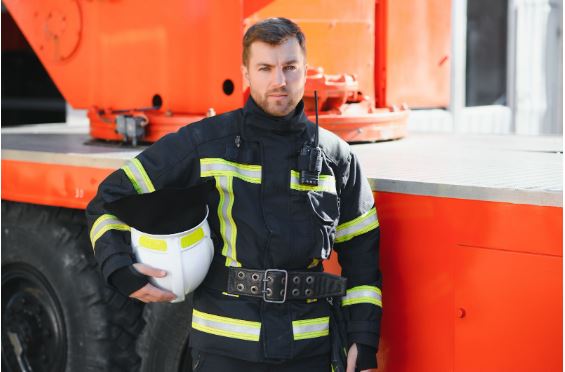
Fire Watch Guards are professionally trained individuals responsible for monitoring hot work sites for potential fire hazards. Their job is not passive—they actively patrol the work area, keep a close eye on equipment and surroundings, and ensure fire safety protocols are followed at all times.
These guards must be familiar with the layout of the job site, the location of fire extinguishers, alarm pull stations, emergency exits, and any potential ignition sources. They must remain on site during and after hot work operations for a specified "fire watch" period—usually 30 minutes to several hours—depending on local regulations and risk assessments.
The role also includes immediate response in case of a fire. Fire Watch Guards are trained to use extinguishers, alert emergency services, and evacuate the area if necessary. Their presence ensures that hot work is performed safely and that any incident is quickly contained before escalating.
Why Fire Watch Guards Are Vital During Hot Work
The importance of Fire Watch Guards during hot work cannot be overstated. Here are some of the key ways they support fire safety:
- Immediate Hazard Detection: Sparks or embers can ignite flammable materials without warning. Fire Watch Guards constantly scan the area for such risks and take prompt action to eliminate them.
- 24/7 Vigilance: Unlike workers focused on the task at hand, guards are solely dedicated to safety. Their attention is not divided, which makes them more likely to catch early signs of trouble.
- Post-Work Monitoring: Fires can smolder unnoticed and flare up long after the work is done. Guards remain on duty after hot work ends to monitor for delayed ignition.
- Regulation Compliance: OSHA, NFPA, and other authorities mandate fire watches in certain hot work scenarios. Employing trained guards ensures compliance and helps avoid costly penalties.
- On-the-Spot Response: Should a fire break out, guards act immediately. They can use fire extinguishers, sound alarms, and assist in evacuating personnel, minimizing potential damage and injury.
These capabilities make Fire Watch Guards indispensable partners in high-risk work environments.
Industries That Rely Heavily on Fire Watch Services
Fire Watch Guards are not limited to one sector. Their services are crucial across multiple industries where hot work is routine. Some of the primary sectors include:
- Construction: From building skyscrapers to infrastructure projects, construction sites often require cutting, welding, and grinding, especially in confined or complex spaces.
- Shipbuilding and Marine: Hot work on metal hulls or in engine rooms poses high fire risks. Guards are essential for both dockside and onboard projects.
- Manufacturing: Industrial plants dealing with heavy machinery, flammable chemicals, or dust often need fire watches during maintenance shutdowns or facility upgrades.
- Oil and Gas: Refineries and offshore platforms are high-risk zones. Any spark can lead to catastrophic results, making fire watches mandatory.
- Commercial Property Maintenance: Repairs involving torch work in malls, office buildings, or apartment complexes demand vigilant fire protection, especially in older structures.
In all these cases, Fire Watch Guards help prevent small hazards from becoming major incidents.
Fire Watch Regulations and Compliance Standards
Compliance with fire safety regulations is non-negotiable during hot work operations. Agencies like OSHA (Occupational Safety and Health Administration), NFPA (National Fire Protection Association), and local fire departments enforce strict standards.
Some key guidelines include:
- OSHA 1910.252: Requires a fire watch during and after hot work in areas where fire hazards cannot be removed.
- NFPA 51B: Details hot work permit systems and mandates a trained fire watch in hazardous environments.
- Local Fire Codes: Many municipalities have specific rules around fire watches, especially in high-rise buildings, event venues, or during fire system outages.
Failure to comply can result in fines, project shutdowns, and legal liability. Hiring professional Fire Watch Guards ensures that all applicable codes are met and documented.
Training and Certification Requirements
Fire Watch Guards are not just random personnel handed a fire extinguisher. They undergo specific training to prepare for their responsibilities. This includes:
- Fire prevention techniques
- Use of firefighting equipment
- Emergency evacuation procedures
- Hazard recognition
- Communication and alert protocols
Many jurisdictions also require guards to be certified through recognized safety training programs, such as OSHA or NFPA courses. Their ability to respond quickly and effectively comes from this specialized knowledge.
How to Choose a Reliable Fire Watch Service
Not all fire watch services are created equal. When selecting professionals for the job, consider the following:
- Experience: Look for guards with proven experience in hot work environments.
- Certifications: Ensure they meet OSHA and NFPA standards.
- Availability: A responsive team that can deploy quickly is vital, especially during emergencies.
- Comprehensive Coverage: Choose services that include both on-site presence and proper documentation for compliance.
- Positive Reviews: Reputation matters. Look for services with solid testimonials and a track record of reliability.
One such dependable solution is provided through professional Fire Watch Guards who specialize in on-demand fire watch coverage across industries. Whether it’s for planned hot work or an unexpected fire system outage, their presence brings peace of mind.
Common Challenges During Hot Work and How Guards Mitigate Them
Hot work often presents several challenges that can compromise safety:
- Poor Visibility: Dust, smoke, or lighting issues can obscure smoldering spots.
- Flammable Residue: Industrial sites often have combustible materials hidden in vents, ducts, or debris.
- Confined Spaces: Working in tanks or tunnels increases the risk of undetected fires.
- Inadequate Equipment: Not all workers are trained to use extinguishers or fire blankets properly.
Fire Watch Guards help navigate these risks by conducting pre-work inspections, staying mobile, and using thermal detection tools when needed. Their proactive approach prevents accidents that may not be immediately visible to other personnel.
Conclusion
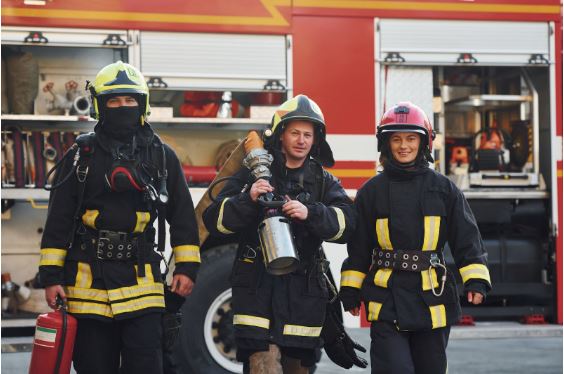
Hot work is inherently risky, but that risk doesn’t have to turn into reality. With sparks flying and flammable materials nearby, the presence of Fire Watch Guards becomes essential—not just for compliance, but for the safety of people, property, and business continuity. Their vigilance, training, and rapid response capabilities make them a critical asset on any hot work site.
Whether in construction, marine, manufacturing, or beyond, these guards ensure that fire risks are kept in check, operations run smoothly, and everyone gets home safe at the end of the day.
FAQs
- When is a fire watch required during hot work?
A fire watch is typically required when flammable materials are present, fire alarms are disabled, or the hot work is performed in confined or high-risk areas. Regulations vary by location. - How long should Fire Watch Guards remain after hot work ends?
Usually, a fire watch must be maintained for at least 30 minutes to an hour post-operation, depending on the risk assessment and regulatory guidelines. - Do Fire Watch Guards need certification?
Yes. They must be trained in fire prevention and emergency response. Many are required to have OSHA or NFPA training certification. - Can regular employees serve as Fire Watch Guards?
Only if they have received the proper training and understand the specific fire risks involved. Professional guards are often preferred for their expertise and reliability. - How much do fire watch services typically cost?
Rates vary depending on location, duration, and risk level, but many services offer affordable hourly packages that are far less costly than dealing with a fire incident.
by Stephanie Scott on 2025-12-28 05:59:52
No comments yet.